
Morocco is a remarkable destination where dramatic mountain landscapes, historic cities, and vast desert scenery come together in one unforgettable journey. Travelers can explore the lively medinas of Marrakech and Fes, discover traditional villages in the Atlas Mountains, and experience the golden dunes of the Sahara Desert. This diversity makes mountains, cities and desert tours in Morocco an excellent choice for visitors seeking culture, adventure, and authentic local experiences.
Whether you are planning a private holiday, a family trip, a romantic escape, or an adventurous road trip, combining these three regions allows you to discover different sides of Moroccan life. With a well-planned itinerary, you can enjoy historic landmarks, scenic mountain roads, traditional Moroccan cuisine, and peaceful desert nights during the same vacation.
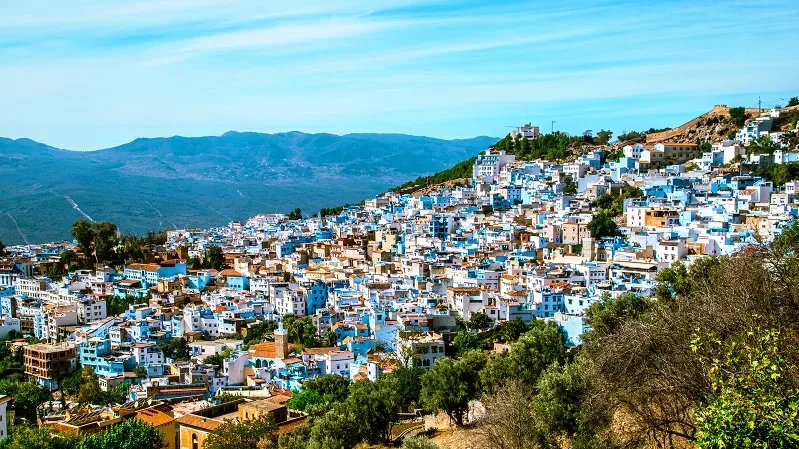
1. Explore Morocco’s Historic Cities
Morocco’s cities provide an introduction to the country’s history, architecture, cuisine, and everyday culture. Each destination has its own atmosphere, making city sightseeing an essential part of a complete Moroccan tour.
Marrakech: Culture, Markets, and Architecture
Marrakech is a popular starting point for exploring Morocco. Its historic medina features narrow streets, traditional souks, artisan workshops, and beautiful architectural details.
Visitors can explore Jemaa el-Fnaa, browse local markets, discover historic palaces, and enjoy traditional Moroccan food. A guided walking tour can help travelers understand the city’s cultural heritage while navigating its busy streets.
Marrakech is also a convenient base for excursions into the Atlas Mountains and longer journeys toward the Sahara Desert.
Fes: Discover Traditional Moroccan Heritage
Fes is known for its historic medina, traditional crafts, and longstanding cultural significance. Its maze of narrow streets contains markets, workshops, historic buildings, and places where traditional skills continue to be practiced.
Exploring Fes with a knowledgeable local guide can provide insight into Moroccan craftsmanship, architecture, and religious and educational history. Travelers who have extra time can include Fes in a longer itinerary connecting the northern cities with the desert regions.
Rabat and Casablanca
Rabat offers historic landmarks, coastal views, and a calmer atmosphere than some of Morocco’s busiest tourist destinations. Casablanca, meanwhile, combines modern urban life with important architectural attractions, including the impressive Hassan II Mosque.
These cities are particularly suitable for travelers planning a longer route through Morocco rather than concentrating exclusively on the south.
2. Discover the Beauty of the Atlas Mountains
The Atlas Mountains offer a striking contrast to Morocco’s urban centers. Their rugged peaks, green valleys, terraced fields, and traditional Amazigh villages create opportunities for outdoor activities and cultural discovery.
Guided Mountain Walks and Scenic Excursions
The Imlil area in the High Atlas is a popular starting point for guided walks and mountain excursions. Visitors can follow village paths, admire mountain scenery, and learn about local traditions from experienced guides.
Depending on the route, a mountain tour may include traditional villages, agricultural terraces, walnut groves, panoramic viewpoints, and a locally prepared lunch. Travelers who prefer a relaxed experience can choose a scenic drive with short walks, while more active visitors may opt for longer hikes.
Mount Toubkal is another major attraction for trekking enthusiasts. Reaching its summit requires appropriate preparation, suitable weather, and a route matched to the traveler’s fitness and experience.
Experience Traditional Mountain Villages
Village visits provide an opportunity to learn about rural life and Amazigh culture. Travelers may discover traditional building methods, local farming practices, regional food, and handmade crafts.
Sharing mint tea or a meal with local hosts can make a mountain excursion especially memorable. Respectful, community-based tourism also creates opportunities to support local guides, guesthouses, and small businesses.
Spring and autumn are often comfortable periods for mountain walking, although conditions vary with altitude and weather.
3. Experience the Sahara Desert
A journey into the Sahara is one of the defining experiences of a Moroccan adventure. The desert offers vast open landscapes, spectacular sunsets, star-filled skies, and a different rhythm of life from the cities and mountains.
Merzouga and the Erg Chebbi Dunes
Merzouga is a well-known gateway to the Erg Chebbi dunes, where visitors can experience the Sahara’s sweeping sand landscapes.
Depending on the tour, activities may include a camel excursion, a 4×4 desert journey, sunset photography, and an overnight stay at a desert camp. Watching the sun rise over the dunes can be a highlight of the trip.
Some itineraries also include visits to nearby communities, where travelers can learn about desert traditions and local music. Visitors should choose respectful experiences that benefit local people and follow guidance about photography and private spaces.
Desert Camps and Overnight Stays
Spending a night in the desert allows travelers to enjoy the landscape after the daytime excursions have ended. Camps vary in comfort, facilities, and location, so it is worth checking what is included before booking.
Many packages offer dinner, breakfast, and an evening gathering. Temperatures can drop considerably at night, even after a warm day, so appropriate clothing is important.
A Sahara tour generally requires several days when traveling from Marrakech, as the journey involves significant driving distances. Allowing enough time makes the experience more enjoyable and provides opportunities to explore the scenery along the way.
4. Discover Kasbahs, Valleys, and Scenic Mountain Roads
The journey between the Atlas Mountains and the desert is an experience in its own right. Travelers may cross mountain passes, explore historic settlements, and travel through valleys lined with palm groves and traditional earthen buildings.
Aït Benhaddou is one of the best-known historic fortified settlements along the southern route. Its distinctive earthen architecture provides insight into traditional construction and the region’s historic trading connections.
Ouarzazate is another popular stop, often associated with historic kasbahs and the film industry. Farther along, the Dades Valley and Todra Gorge offer dramatic rock formations and striking scenery.
Including these destinations in a multi-day tour helps break up the drive and gives travelers more opportunities to appreciate southern Morocco beyond the desert dunes.
5. Choose a Tour That Matches Your Travel Style
Mountains, cities and desert tours in Morocco can be arranged in several ways, depending on the time available and the experiences you prefer.
Private guided tours are ideal for travelers who value flexibility, personalized sightseeing, and private transportation. The itinerary can be adapted to the group’s interests and preferred pace.
Small-group tours provide opportunities to share the journey with other travelers and may be suitable for visitors looking for a more economical package.
Adventure tours focus on hiking, trekking, desert excursions, and outdoor activities. These are best suited to travelers who want a more active holiday.
Cultural tours place greater emphasis on historic cities, traditional villages, local cuisine, artisan workshops, and regional customs.
Before booking, confirm the transportation arrangements, accommodation standards, meals, entrance fees, guide services, cancellation terms, and any additional costs.
6. Suggested Itinerary for Mountains, Cities, and Desert Tours
The right itinerary depends on how much time you have available. A longer trip generally provides a more comfortable balance between sightseeing and travel.
-
Days 1–2: Marrakech. Explore the medina, souks, historic attractions, and traditional cuisine.
-
Day 3: Atlas Mountains. Visit the Imlil area, enjoy a guided walk, and discover traditional mountain villages.
-
Day 4: Aït Benhaddou and Ouarzazate. Cross the High Atlas and explore historic architecture and southern landscapes.
-
Day 5: Dades Valley and Todra Gorge. Enjoy scenic drives, valley views, and a walk through the gorge where conditions permit.
-
Days 6–7: Merzouga and the Sahara. Experience the dunes, enjoy a desert excursion, and spend a night at a desert camp.
-
Day 8: Continue your journey. Travel onward or begin the return route, allowing enough time for the distance involved.
This is an illustrative itinerary, not a fixed schedule. An eight-day journey can be demanding, particularly when returning to Marrakech from Merzouga. Travelers who want a slower pace may prefer nine to twelve days, or an itinerary that continues to Fes rather than retracing the entire route.
7. Best Time to Visit Morocco
Spring and autumn are often popular seasons for combining city sightseeing, mountain walks, and desert travel. Temperatures are generally more manageable than during the hottest summer periods, although weather differs significantly between regions.
Summer can be very hot in Marrakech and the desert, while higher mountain areas may offer cooler conditions. Winter brings cold nights in the desert and potentially snow or difficult weather at higher elevations.
Choose travel dates according to your planned activities, and check local weather conditions before mountain hikes or desert excursions.
8. Tips for a Comfortable and Memorable Journey
A little preparation can make a multi-region Moroccan holiday much easier.
-
Allow enough time for long drives between Marrakech, the Atlas Mountains, and Merzouga.
-
Bring comfortable walking shoes, sun protection, and layers for changing temperatures.
-
Book experienced local guides for mountain hikes and specialist activities.
-
Confirm what your tour price includes before making payment.
-
Respect local customs, ask permission before photographing people, and support local businesses when possible.
-
Keep some free time in your itinerary for unexpected discoveries and relaxed cultural experiences.
Conclusion
Mountains, cities and desert tours in Morocco offer an extraordinary combination of cultural discovery, outdoor adventure, and natural beauty. From exploring Marrakech’s lively medina and walking through Atlas Mountain villages to discovering historic kasbahs and watching the sunset over the Sahara, every region adds something different to the journey.
With a carefully planned route, reliable local guides, and enough time to explore each destination, travelers can experience Morocco beyond its famous landmarks. Whether you prefer mountain trekking, historic city tours, or peaceful desert nights, combining these experiences can create a rewarding and memorable Moroccan holiday.
Key Takeaways
-
Explore Marrakech and Fes to discover Moroccan history, architecture, markets, and cuisine.
-
Visit the Atlas Mountains for guided walks, scenic landscapes, and traditional village experiences.
-
Discover the Sahara Desert near Merzouga and the Erg Chebbi dunes.
-
Include Aït Benhaddou, Ouarzazate, and the southern valleys for additional cultural and scenic stops.
-
Choose a private, small-group, adventure, or cultural tour according to your preferences.
-
Allow at least several days for the desert journey and consider a longer itinerary for a more relaxed pace.
-
Travel responsibly by respecting local traditions and supporting community-based tourism.