
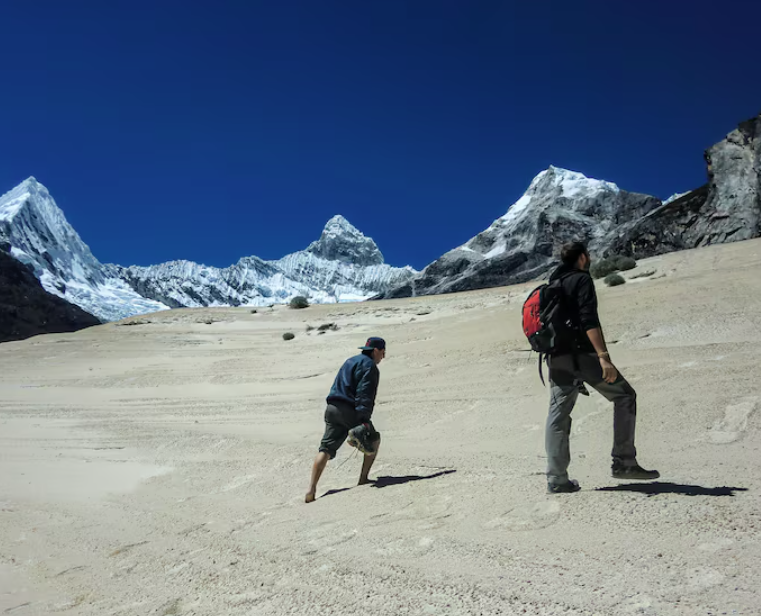
Everest Base Camp Trek with Helicopter Return to Kathmandu
The Everest Base Camp Trek is one of the world’s most iconic trekking experiences, drawing adventurers to the heart of the Himalayas to stand in the shadow of the highest mountain on Earth. Combining dramatic landscapes, deep-rooted Sherpa culture, and a profound sense of achievement, the trek to Everest Base Camp is both physically demanding and spiritually rewarding.
In recent years, an enhanced option—the Everest Base Camp Trek with Helicopter return to Kathmandu—has gained popularity. This itinerary preserves the authenticity and challenge of the classic trek while offering a scenic and time-efficient helicopter return, reducing physical strain and adding a remarkable aerial perspective of the Himalayas.
Understanding the Everest Base Camp Trek
The Everest Base Camp Trek takes place in the Khumbu region of northeastern Nepal, within the Sagarmatha National Park. The journey typically begins with a short but thrilling flight from Kathmandu to Lukla, followed by a gradual ascent through Sherpa villages, suspension bridges, alpine forests, and glacial moraines.
At an elevation of 5,364 meters (17,598 feet), Everest Base Camp is the seasonal home of mountaineers attempting to summit Mount Everest. While trekkers do not climb the peak itself, reaching base camp is a significant accomplishment that offers a close-up view of Himalayan giants, including Everest, Lhotse, Nuptse, and Ama Dablam.
Key Highlights of the Everest Base Camp Trek
Immersive Sherpa Culture
The trail passes through traditional villages such as Namche Bazaar, Tengboche, and Dingboche, where trekkers encounter monasteries, prayer flags, mani stones, and the warm hospitality of the Sherpa people. Visits to ancient Buddhist monasteries, especially Tengboche Monastery, provide cultural depth and spiritual insight.
Dramatic Mountain Scenery
From the early days of the trek, snow-capped peaks dominate the skyline. As altitude increases, landscapes transition from lush forests of rhododendron and pine to stark, glacial terrain shaped by ice and wind.
Acclimatization and Achievement
A well-designed itinerary includes acclimatization days, particularly in Namche Bazaar and Dingboche, allowing trekkers to adapt safely to altitude. Standing at Everest Base Camp after days of steady effort is an unforgettable moment of personal triumph.
Everest Base Camp Trek with Helicopter Return to Kathmandu
The Everest Base Camp Trek with Helicopter return to Kathmandu offers a modern alternative to the traditional return route. Instead of retracing steps over several days, trekkers fly back by helicopter from either Everest Base Camp, Kala Patthar, or nearby locations such as Gorakshep or Pheriche, depending on weather and logistics.
This option has become especially appealing to travelers seeking efficiency, comfort, and a once-in-a-lifetime aerial experience.
Advantages of the Helicopter Return Option
Time Efficiency
The classic Everest Base Camp Trek typically requires 12–14 days. With a helicopter return, the itinerary can be shortened to 8–10 days without compromising the core trekking experience. This is ideal for professionals and travelers with limited vacation time.
Reduced Physical Strain
Descending on foot can be taxing on knees and joints. The helicopter return eliminates several long downhill trekking days, making the journey more accessible to trekkers who are fit but prefer reduced impact.
Unmatched Aerial Views
A helicopter flight over the Khumbu Glacier, Everest Base Camp, and surrounding peaks offers a breathtaking perspective impossible to achieve on foot. The sweeping views of icefalls, valleys, and towering summits are often cited as a highlight of the entire trip.
Enhanced Safety and Comfort
In the event of fatigue, mild altitude-related discomfort, or schedule constraints, the helicopter return provides a safe and comfortable exit from high altitude environments.
Typical Itinerary Overview
A standard Everest Base Camp Trek with Helicopter return to Kathmandu may follow this structure:
- Day 1: Arrival in Kathmandu and trek briefing
- Day 2: Flight to Lukla, trek to Phakding
- Day 3–4: Trek to Namche Bazaar with acclimatization
- Day 5: Trek to Tengboche
- Day 6: Trek to Dingboche and acclimatization
- Day 7: Trek to Lobuche via memorials
- Day 8: Trek to Everest Base Camp, overnight at Gorakshep
- Day 9: Early morning hike to Kala Patthar, helicopter flight back to Kathmandu
Itineraries may vary slightly based on weather, group pace, and helicopter landing permissions.
Best Time for the Trek
The optimal seasons for both the Everest Base Camp Trek and the helicopter return option are:
- Spring (March to May): Stable weather, blooming rhododendrons, and active Everest expeditions.
- Autumn (September to November): Clear skies, excellent visibility, and moderate temperatures.
Winter treks are possible but colder, while the monsoon season (June to August) presents weather-related challenges and limited helicopter availability.
Physical Preparation and Fitness
Although no technical climbing skills are required, the Everest Base Camp Trek demands good physical conditioning. Trekkers should be prepared for 5–7 hours of walking per day at high altitude. Cardiovascular fitness, leg strength, and mental resilience are key success factors.
The helicopter return does not eliminate the need for acclimatization; trekkers must still ascend gradually and responsibly.
Cost Considerations
The Everest Base Camp Trek with Helicopter return to Kathmandu is more expensive than the standard trek due to aviation costs. However, many travelers view the added expense as justified by the time saved, comfort gained, and extraordinary experience delivered.
Costs typically include permits, domestic flights, accommodations, meals during the trek, guide and porter services, and the helicopter flight.
Conclusion
The Everest Base Camp Trek remains a benchmark adventure for trekkers worldwide—a journey defined by perseverance, natural beauty, and cultural richness. For those seeking a premium variation, the Everest Base Camp Trek with Helicopter return to Kathmandu offers an exceptional blend of tradition and innovation.
By combining the authenticity of trekking through the Khumbu with the luxury and efficiency of a helicopter return, this option delivers a comprehensive Himalayan experience without compromise. Whether motivated by time constraints, comfort, or the desire for unparalleled views, this trek represents one of the most rewarding ways to experience the grandeur of Everest and the Himalayas.
