
A Tanzania safari is one of the most iconic travel experiences in the world, offering breathtaking landscapes, extraordinary wildlife, and deeply immersive encounters with nature. From the endless plains of the Serengeti to the wildlife-rich Ngorongoro Crater, Tanzania stands as a premier destination for anyone seeking a truly authentic African safari.
This professional guide explores everything you need to know about planning a Tanzania safari, including destinations, wildlife experiences, travel tips, and what makes this East African country so exceptional.
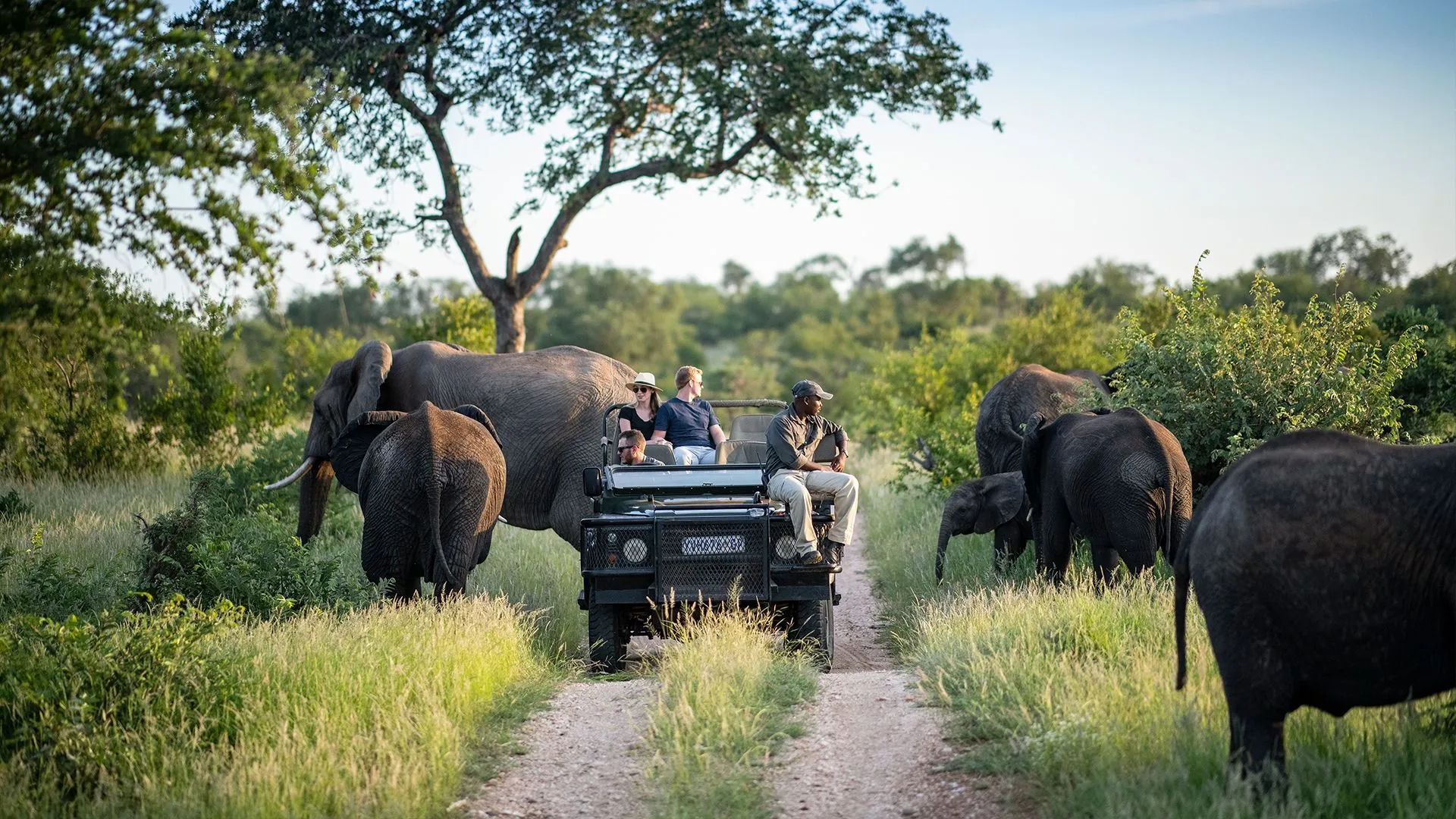
Why Choose Tanzania for a Safari?
Tanzania is home to some of the most renowned national parks and conservation areas on the African continent. What sets it apart is the sheer diversity of ecosystems and the scale of wildlife movement.
Key highlights include:
- Hosting the world-famous Great Migration
- Vast, unspoiled wilderness areas
- High density of wildlife, including the “Big Five” (lion, leopard, elephant, buffalo, rhino)
- Strong conservation efforts and protected areas
Unlike more commercialized safari destinations, Tanzania offers a raw and authentic feel, making every game drive an adventure.
Top Safari Destinations in Tanzania
Serengeti National Park
The Serengeti is synonymous with safari. Its expansive plains are home to millions of animals and serve as the stage for the Great Migration.
What to expect:
- Large herds of wildebeest and zebras
- Predators such as lions, cheetahs, and hyenas
- Endless landscapes ideal for photography
Ngorongoro Crater
A UNESCO World Heritage Site, the Ngorongoro Crater is a natural wonder formed by a collapsed volcano.
Highlights:
- Dense wildlife population within a compact area
- One of the best places to see black rhinos
- Scenic beauty with lush greenery and crater walls
Tarangire National Park
Often overlooked, Tarangire offers a quieter safari experience.
Why visit:
- Massive elephant herds
- Iconic baobab trees
- Seasonal concentration of wildlife along the Tarangire River
Nyerere National Park (formerly Selous)
For those seeking off-the-beaten-path experiences, this park provides a more remote safari.
Unique features:
- Boat safaris along the Rufiji River
- Walking safaris for close encounters
- Fewer crowds and untouched landscapes
Wildlife Experiences
A Tanzania safari offers some of the most thrilling wildlife encounters on Earth.
The Big Five:
Spotting lions lounging under acacia trees or elephants roaming freely is a highlight for many visitors.
The Great Migration:
This annual movement of over 1.5 million wildebeest is one of nature’s greatest spectacles, driven by rainfall and grazing patterns.
Birdlife:
Tanzania boasts over 1,000 bird species, making it a paradise for birdwatchers.
Predator Action:
Witness real-life survival scenes as predators hunt prey across the savannah.
Types of Safari Experiences
Tanzania offers various safari styles to suit different preferences and budgets:
1. Game Drives:
The most common way to explore parks in 4×4 vehicles with experienced guides.
2. Walking Safaris:
Guided walks provide a deeper understanding of the ecosystem.
3. Hot Air Balloon Safaris:
Aerial views of the Serengeti at sunrise offer a once-in-a-lifetime perspective.
4. Boat Safaris:
Available in select parks like Nyerere, allowing unique water-based wildlife viewing.
When to Go on a Tanzania Safari
Timing plays a crucial role in shaping your safari experience.
- Dry Season (June to October): Best for wildlife viewing as animals gather around water sources.
- Wet Season (November to May): Offers lush scenery, fewer crowds, and excellent birdwatching.
- Migration Highlights:
- Calving: January–February
- River crossings: July–September
Each season provides a different but equally rewarding experience.
Accommodation Options
Tanzania caters to a wide range of travelers, offering accommodations such as:
- Luxury lodges: Premium comfort with stunning views and top-tier services
- Tented camps: Authentic safari feel without compromising comfort
- Budget camps: Affordable options for adventurous travelers
Many lodges are strategically located near wildlife hotspots, maximizing game-viewing opportunities.
Travel Tips for a Successful Safari
To make the most of your Tanzania safari, consider the following:
- Book in advance: Especially during peak season
- Pack smart: Neutral-colored clothing, sunscreen, binoculars, and a camera
- Follow safety guidelines: Always listen to your guide
- Stay hydrated: African climates can be intense
- Respect wildlife: Maintain distance and avoid disturbing animals
Cultural Experiences
Beyond wildlife, Tanzania offers rich cultural interactions. Visitors can engage with local communities such as the Maasai, learning about their traditions, lifestyle, and connection to the land.
These experiences add depth to your safari, making it more than just a wildlife tour.
Sustainability and Conservation
Tanzania is a global leader in wildlife conservation. Many safari operators and lodges prioritize eco-friendly practices, ensuring that tourism benefits both the environment and local communities.
By choosing responsible operators, travelers contribute to preserving Tanzania’s natural heritage for future generations.
Conclusion
A Tanzania safari is more than just a vacation; it’s an immersive journey into one of the most spectacular natural environments on Earth. Whether you’re witnessing the thunder of the Great Migration, spotting the Big Five, or enjoying a sunrise over the savannah, every moment is unforgettable.
With its unmatched biodiversity, iconic landscapes, and authentic experiences, Tanzania remains one of the top safari destinations in the world. Proper planning, the right timing, and an open sense of adventure will ensure your safari becomes a lifelong memory.
Frequently Asked Questions (FAQ)
1. How much does a Tanzania safari cost?
Costs vary widely depending on the level of luxury, duration, and season. Budget safaris may start around $150–$300 per day, while luxury experiences can exceed $1,000 per day.
2. Is Tanzania safe for tourists?
Yes, Tanzania is generally safe for safari travelers, especially when traveling with reputable tour operators and guides.
3. What should I pack for a safari?
Essentials include lightweight clothing, comfortable shoes, sunscreen, insect repellent, a hat, and a good camera.
4. Do I need vaccinations for Tanzania?
Common recommendations include vaccines for yellow fever (if required), hepatitis A, and malaria precautions. Always consult a healthcare professional before traveling.
5. How many days are ideal for a Tanzania safari?
A typical safari lasts 5–10 days, allowing enough time to explore multiple parks and fully enjoy the experience.
6. Can I combine a safari with a beach holiday?
Absolutely. Many travelers combine a safari with a visit to Zanzibar for a relaxing beach experience.
7. What animals can I see on a Tanzania safari?
You can expect to see lions, elephants, zebras, giraffes, wildebeest, leopards, rhinos, and many more species.
